Have you finally decided to take your first airplane trip?
Surely, it will be a wonderful experience to remember! However, there are several aspects to consider after purchasing your ticket. Unlike a train or bus trip, which can be decided at the last minute, an airplane trip requires at least some planning, as well as emotional preparation. You might even feel a bit anxious before boarding.
We can confirm that taking a flight for the first time is not the easiest experience for those unfamiliar with air travel.
TIPS BEFORE DEPARTURE
Before traveling by plane, it is important to check that your suitcase or baggage is the right size based on your route and the type of ticket purchased. You cannot board with all the luggage you want, and each airline has very specific regulations regarding this.
Packing your suitcase with everything you need for your stay is another important step before taking a flight.
Additionally, making sure you have all the necessary travel documents is crucial before heading to the airport.
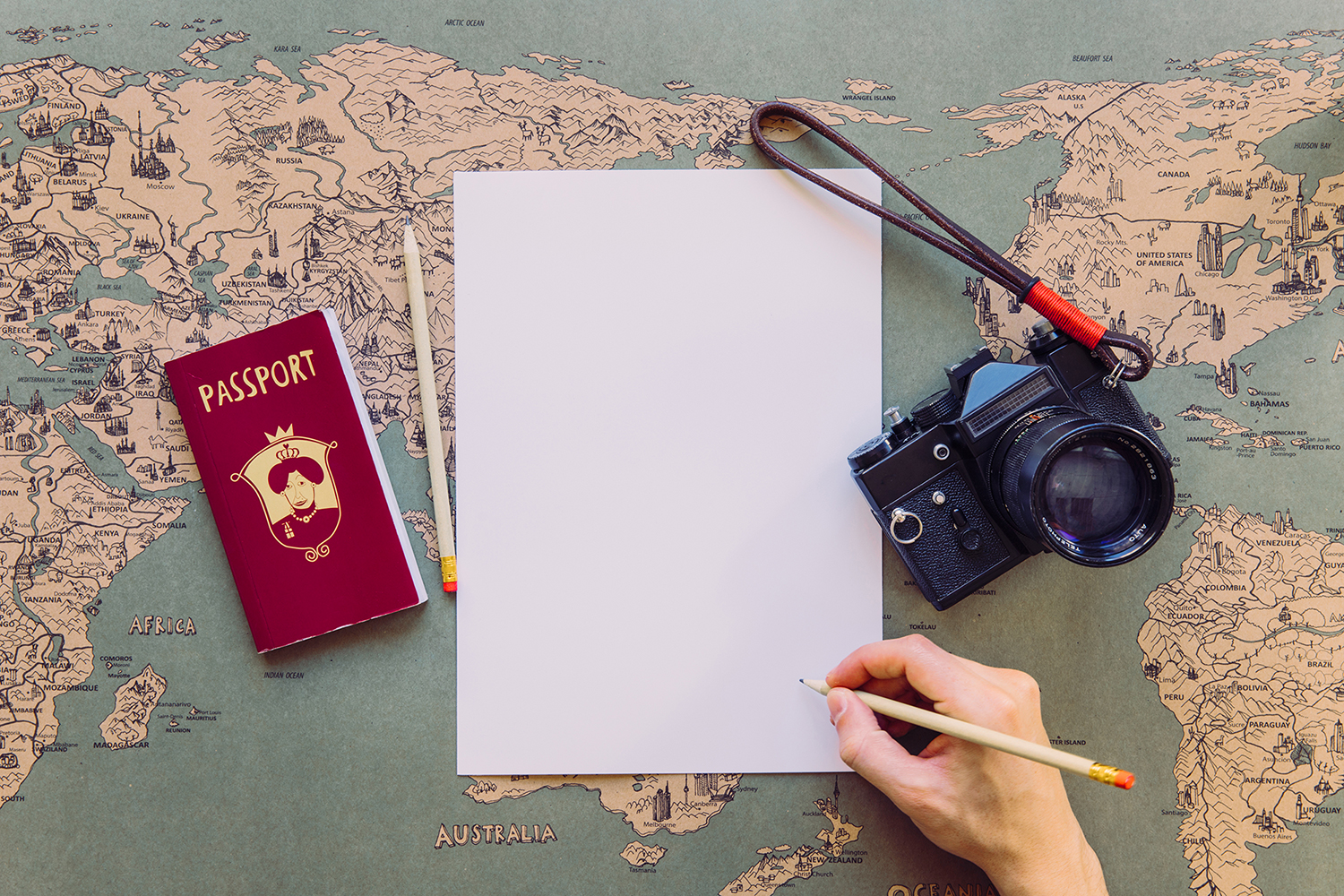
Here they are:
Identity Card: It must be valid for at least six months and is required for all domestic flights and trips to Schengen Area countries.
Passport: Required for travel to non-Schengen countries. Usually, it must be valid for at least six months from the date of travel. Some countries require a validity of at least one year. Always check the current regulations of the country you plan to visit. Updated information can be found on the Farnesina website (Viaggiare Sicuri).
Visa: For some non-Schengen countries, a valid entry visa is required in addition to a passport. It can be obtained through the embassy or an online procedure.
Minors taking domestic flights must present at least one identification document, such as an identity card, passport, or a special permit for children under 15 (accompanying form if they are not traveling with their parents).
For international travel, children under 14 must be accompanied by a parent, while those aged 14 to 18 do not require accompaniment.
We always recommend checking with local authorities for updated information.
Finally, booking airport parking or deciding how to get there should be planned in advance to find the best and fastest route. Remember that for international flights, you should arrive at least two hours before departure.
ARRIVAL AT THE AIRPORT
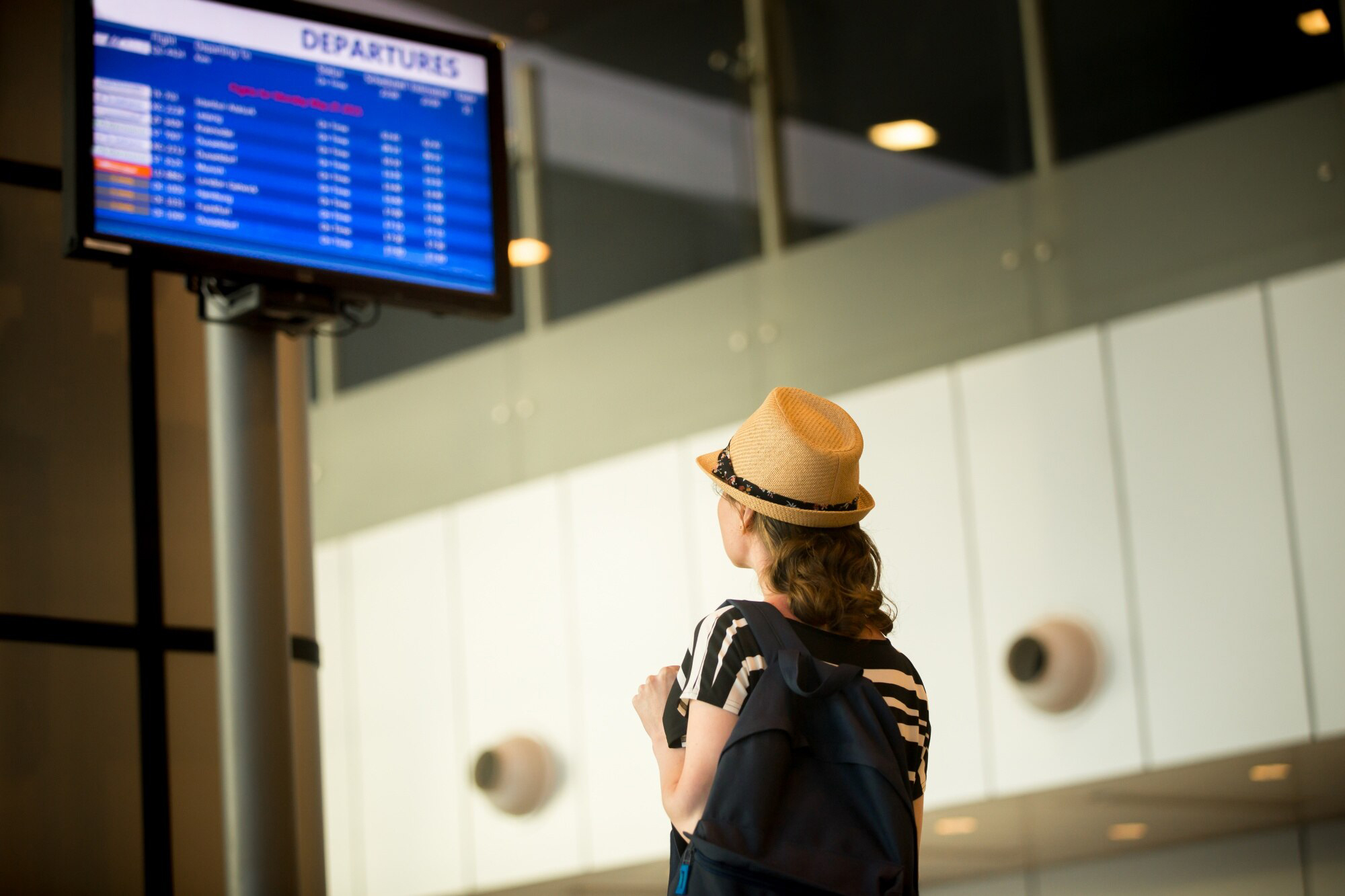
Upon arrival at the airport, the first thing to do is check the monitors to find your flight and the check-in counter.
Most airlines allow online check-in, and if you only have carry-on luggage and already have your boarding pass, you can proceed directly to security checks. However, since you are reading this article, you may be unsure about your carry-on luggage. We recommend stopping by the check-in counter to verify it. Arriving early will give you enough time for this.
If you have checked luggage, you must go through check-in unless you use the automatic drop-off, where you leave your luggage on the conveyor belts and check in using the available screens if you haven’t done it at home. This option is mainly available in larger airports.
After check-in, proceed to security checks in time to queue. Remember that you cannot bring water bottles, electronic devices, or certain clothing items (such as belts) through security. These must be placed in designated trays for scanning. You will walk through the metal detector and then collect your belongings.
Once past security, check the monitors for your departure gate, as it may have changed from what is indicated on your boarding pass. After verification, head to the gate and relax by browsing duty-free shops, cafes, or restaurants.
For flights outside the Schengen Area (which includes European states that have removed border controls, excluding the UK), you must pass through passport control and proceed to the extra-Schengen boarding area. Allow enough time to complete all these checks to avoid missing your flight.
Your boarding pass will indicate the boarding time, usually at least 30 minutes before departure.
FIRST TIME ON BOARD
You are finally about to board, and the excitement is high! Find your seat number on your boarding pass and store your carry-on luggage either in the overhead bin or under the seat in front of you, depending on its size. Then, fasten your seatbelt and enjoy your first flight!
FIRST TIME ON BOARD WITH CHILDREN
Children under two years old do not have a separate seat and must sit on your lap with a special safety belt attached to yours. Strollers will always be stored in the hold and handed back to you right under the plane upon arrival.
ARRIVAL AT DESTINATION
If your flight is direct and has no layovers, upon arrival, proceed to passport control (if required for your destination) or directly to baggage claim if you have checked luggage.
Always check that your baggage is undamaged after transport. If there is any damage, report it to the airline as soon as possible.
TRADUCCIÓN AL ESPAÑOL
AQUÍ ESTÁN LOS MEJORES CONSEJOS PARA TU VIAJE
¡Finalmente has decidido hacer tu primer viaje en avión!
Seguramente será una experiencia inolvidable. Sin embargo, hay varios aspectos a considerar después de comprar el billete. No se trata de un viaje en tren o autobús que se puede decidir en el último momento. Un viaje en avión requiere al menos un mínimo de planificación, además de preparación emocional. Puede que sientas un poco de ansiedad antes de abordar.
Podemos confirmar que volar por primera vez no es fácil para quienes no están familiarizados con este medio de transporte.
CONSEJOS ANTES DE PARTIR
Antes de viajar en avión, es importante verificar que tu maleta o equipaje tenga el tamaño adecuado según la ruta y el tipo de billete comprado. No se puede embarcar con todo el equipaje que se desee, y cada aerolínea tiene reglas muy específicas al respecto.
Empacar todo lo necesario para tu estancia es otro paso clave antes de volar.
Además, asegurarte de tener todos los documentos necesarios para el viaje es fundamental antes de ir al aeropuerto.